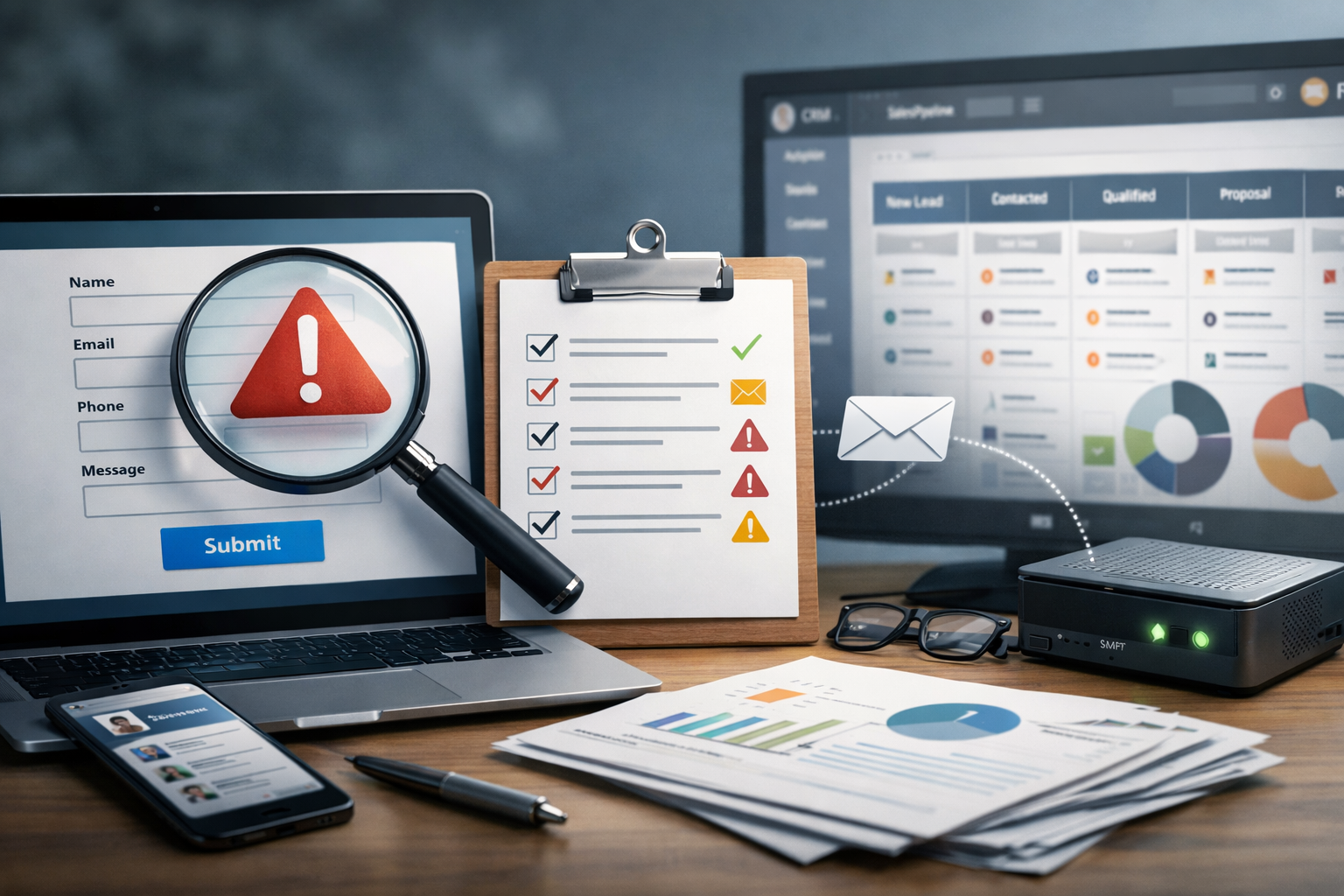
Maximize Your Business Potential: Expert Tips for Leveraging CRM Effectively
A well-implemented Customer Relationship Management (CRM) system can transform how you attract, engage, and retain customers. Whether you are a small local business or a growing global company, learning how to get the most out of your CRM is essential to improving sales performance, customer experience, and long‑term profitability.
1. Start With Clear CRM Goals and Strategy
Before diving into features and dashboards, define exactly what you want your CRM to achieve. A clear strategy ensures the system supports your business objectives instead of becoming an underused database.
Common CRM goals include:
- Increasing lead conversion rates
- Shortening the sales cycle
- Improving customer retention and loyalty
- Enhancing cross‑sell and upsell opportunities
- Centralizing customer data for better reporting
To create a strong CRM strategy:
- Map your customer journey: Document every touchpoint, from the first website visit or phone call to repeat purchases and referrals.
- Align CRM with business processes: Ensure your CRM mirrors real‑world workflows (sales, marketing, service) so your team can work naturally within the system.
- Set measurable KPIs: Examples include number of new leads per month, email open and click‑through rates, average deal size, and customer lifetime value.
- Prioritize features: Identify must‑have capabilities such as pipeline management, email integration, task automation, or reporting tools, based on your strategy.
2. Clean, Centralize, and Enrich Your Customer Data
Your CRM is only as valuable as the data inside it. Clean, accurate, and centralized data allows you to make informed decisions, personalize outreach, and reduce manual work.
Focus on these data management best practices:
- Consolidate data sources: Bring information from spreadsheets, email marketing tools, accounting software, and customer support platforms into your CRM to create a single source of truth.
- Standardize data fields: Use consistent naming conventions for fields such as industry, region, lead source, and deal stage to make searching and reporting easier.
- Remove duplicates: Regularly identify and merge duplicate contacts and companies to avoid confusion and double communication.
- Enrich profiles: Add relevant details like purchase history, communication preferences, decision‑making roles, and local context (time zone, language, region) to support more targeted engagement.
- Maintain ongoing data hygiene: Set up periodic audits, validation rules, and required fields to keep information accurate over time.
3. Automate Key Processes to Save Time and Reduce Errors
One of the biggest benefits of a CRM is workflow automation. By automating repetitive tasks, your teams can focus more on building relationships and closing deals.
Popular CRM automations include:
- Lead capture and assignment: Automatically create new contacts from website forms, inbound emails, or chat, then route them to the right salesperson based on criteria like region, product, or deal size.
- Follow‑up reminders: Trigger tasks and alerts when a lead has not been contacted within a defined time frame or when a deal stagnates in a pipeline stage.
- Email sequences: Enroll new leads into automated nurture campaigns tailored to their interests, location, or buyer journey stage.
- Deal stage updates: Use rules to move deals to the next stage when certain actions occur, such as a proposal being sent or a contract being signed.
- Reporting and notifications: Schedule recurring performance reports and real‑time notifications for key events, such as large opportunities created or high‑value customers at risk.
When designing automation:
- Start simple: Build a few high‑impact workflows first, then expand as your team becomes comfortable.
- Document each workflow: Clarify triggers, actions, and owners so everyone understands what is happening behind the scenes.
- Review and optimize: Monitor performance and adjust timing, content, and logic based on real‑world results.
4. Use Segmentation and Personalization to Improve Engagement
Modern CRM systems make it easier to tailor communication by grouping contacts into meaningful segments. This allows you to send the right message, at the right time, to the right people, across different regions and channels.
Segmentation ideas include:
- Demographic: Industry, company size, job title, or role in the buying process.
- Geographic: Country, state, city, or local market area to align with time zones, languages, laws, and regional preferences.
- Behavioral: Website activity, content downloaded, events attended, or support tickets opened.
- Lifecycle stage: New leads, qualified opportunities, active customers, or churn‑risk accounts.
- Value‑based: Revenue tier, profitability, or strategic importance.
Once segments are defined, use your CRM to personalize:
- Email campaigns: Customize subject lines, offers, and content based on industry, role, and local needs.
- Sales outreach: Equip your sales team with templates that reference recent interactions, region‑specific information, and relevant challenges.
- Customer success touchpoints: Schedule check‑ins, training sessions, and renewal reminders tailored to each account’s usage, goals, and geography.
Well‑executed segmentation and personalization increase open rates, response rates, and overall customer satisfaction.
5. Track Performance and Continuously Improve
To truly maximize your CRM investment, you need to measure performance and refine your approach based on data. Consistent review turns your CRM into a powerful decision‑making tool.
Key CRM metrics to monitor:
- Lead generation: New leads by channel, campaign, or region
- Conversion rates: Lead‑to‑opportunity, opportunity‑to‑customer, and stage‑to‑stage conversion
- Sales velocity: Average time to close a deal and length of each pipeline stage
- Customer retention: Renewal rates, churn rates, and repeat purchase frequency
- Engagement: Email opens and clicks, meeting attendance, and portal or app usage
Build a review rhythm:
- Weekly: Review individual pipelines, upcoming tasks, and active deals.
- Monthly: Analyze campaign performance, pipeline health by region or segment, and win/loss reasons.
- Quarterly: Evaluate your CRM strategy, automation rules, and data quality; adjust based on business goals and market changes.
Use CRM dashboards and reports to make insights accessible to leadership, sales, marketing, and customer success teams, ensuring everyone stays aligned around shared targets.
Empower Your Team With Training and Adoption Support
The most advanced CRM will fail if your team does not use it consistently. Successful adoption depends on clear expectations, practical training, and ongoing support.
Improve CRM adoption by:
- Defining roles and responsibilities: Specify who owns which records, what must be logged, and how often data should be updated.
- Providing role‑based training: Tailor sessions for sales, marketing, and service teams, focusing on the features they use every day.
- Creating simple documentation: Offer quick reference guides, checklists, and short videos that explain your specific CRM processes.
- Gathering feedback: Encourage users to share pain points and suggestions so you can refine fields, workflows, and reports.
- Recognizing good usage: Highlight team members who maintain clean data, follow processes, and achieve strong results using the CRM.
When your team understands how the CRM helps them work smarter, adoption rises naturally and your investment generates better returns.
Conclusion: Turn Your CRM Into a Growth Engine
A CRM is far more than a contact list. When you set clear goals, maintain high‑quality data, automate key processes, personalize communication, track performance, and support user adoption, your CRM becomes a powerful engine for predictable growth.
If you are ready to get more from your CRM and translate data into real business results, start by reviewing your current setup against the practices above. Then, take the next step: audit your workflows, involve your team, and design a roadmap to optimize your CRM for your specific market, customers, and growth targets.
Need expert help tailoring your CRM to your business? Reach out today to discuss a customized CRM optimization strategy that aligns with your goals and unlocks your full business potential.